

A stress test for wire insultation defects
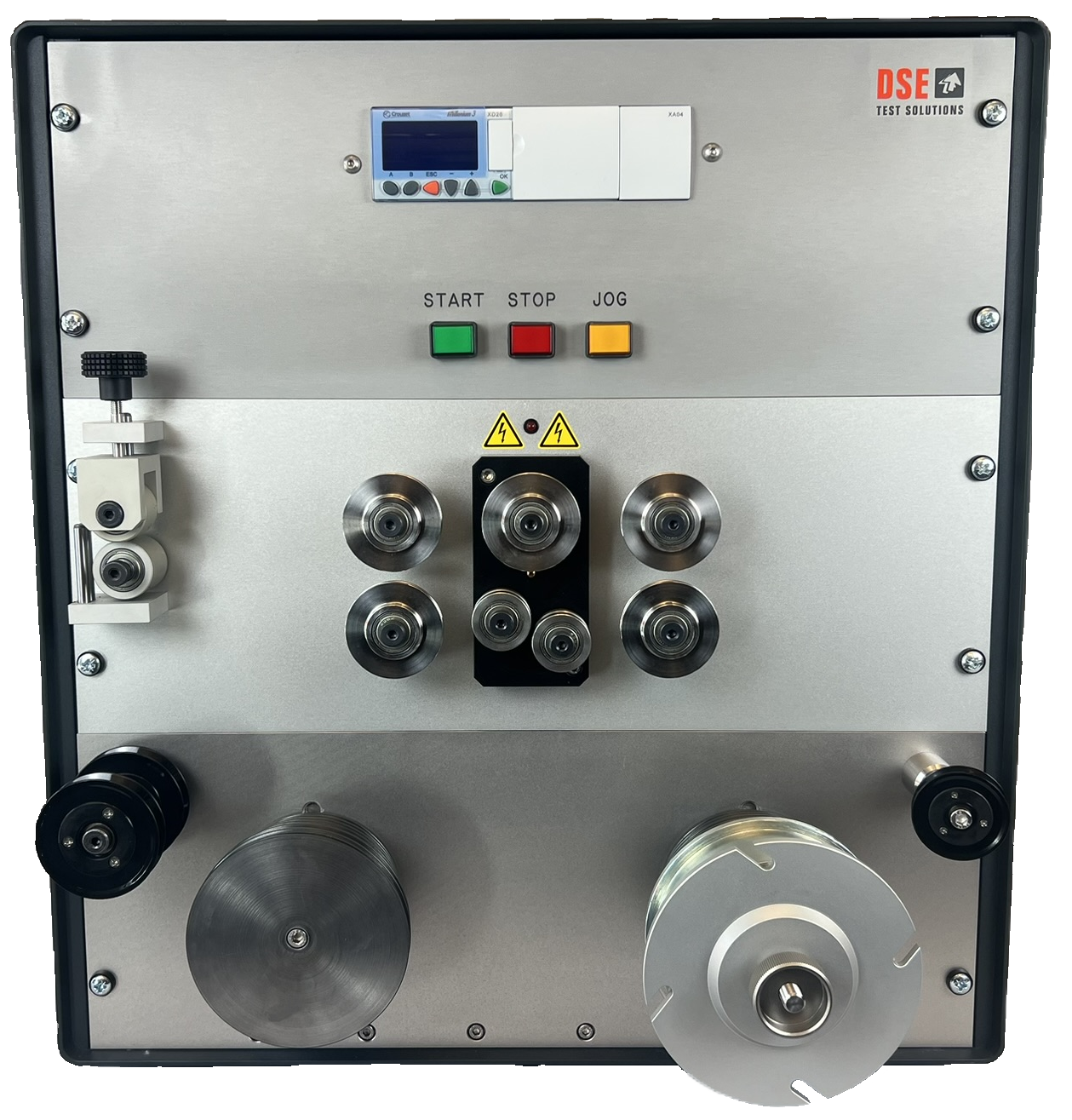
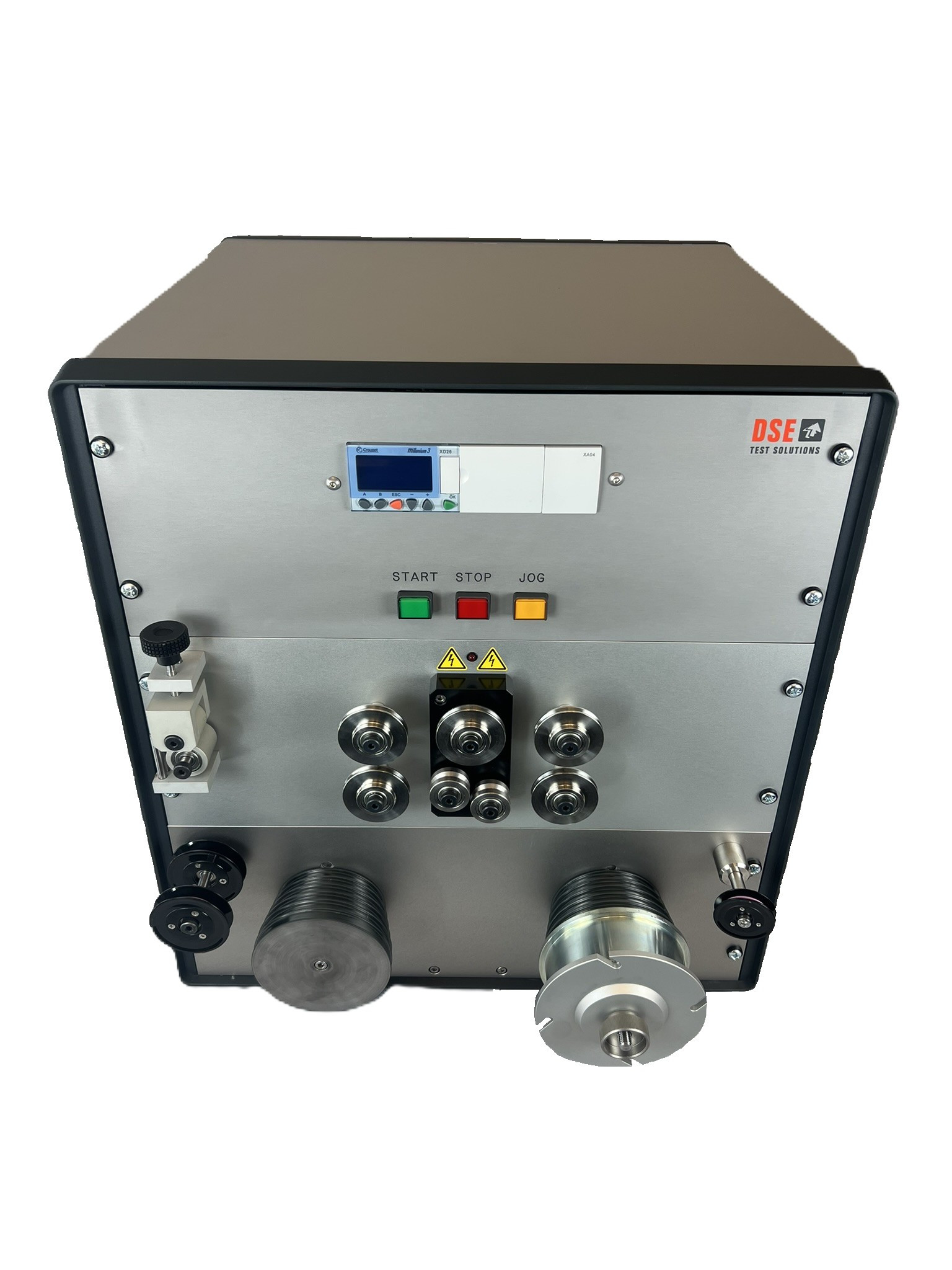
A high voltage continuity tester is an benchtest instrument that checks whether insulation on a wire, cable, or component remains intact when a relatively high test voltage is applied, and that no unintended conductive paths (leakage, pinholes, shorts) appear.
How a High Voltage Continuity Tester operates
A high voltage continuity tester is essentially a specialized insulation/hipot-style tester optimized to verify that an electrical path is continuous where it should be, and non‑conductive where insulation is supposed to isolate conductors. Unlike a normal multimeter continuity test (which uses a few volts), these testers operate at elevated voltages so they can reveal defects that only break down under higher electric stress.
How the High Voltage Continuity Tester is used in a lab
In laboratory or production test setups, high voltage continuity testers are used to:
-
Apply a high DC or AC potential between a conductor and its insulation or between separate conductors to detect pinholes, weak spots, or other insulation faults.
-
Verify that cables, harnesses, windings, and similar components have the correct continuity and do not exhibit breakdown or leakage at the specified test voltage, often as part of type tests or routine quality checks.
Because the test current is limited to very low levels, these instruments are designed to be non‑destructive while still stressing the insulation enough to expose latent defects that would not appear under low‑voltage continuity testing.
If you need quick and specific information about our High Voltage continuity Tester, you can fcheck our datasheet.
Or please contact our sales department for more information.

RELATED


