

Determines how easily the wire can be wound into coils or e.g. hairpins
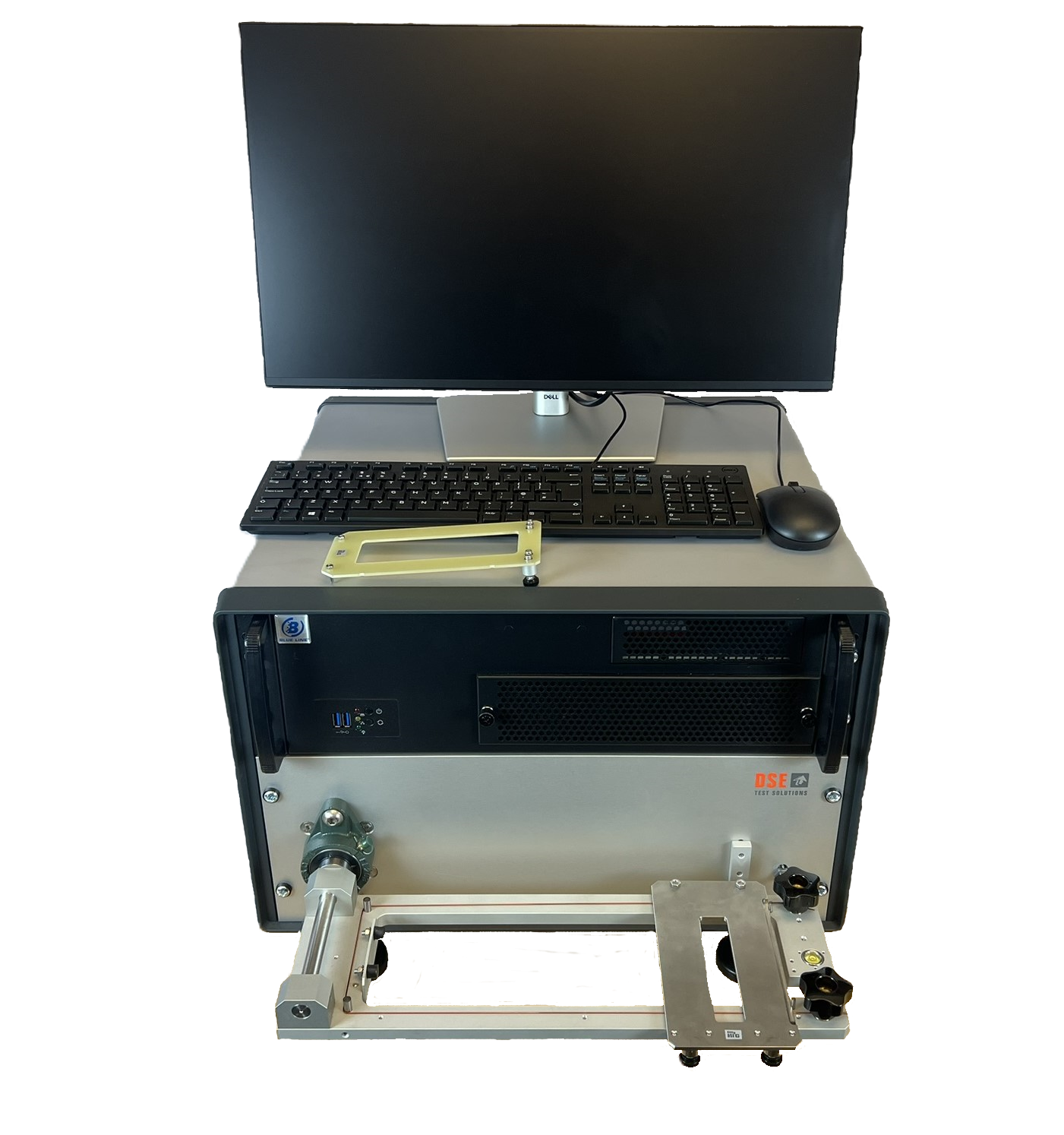
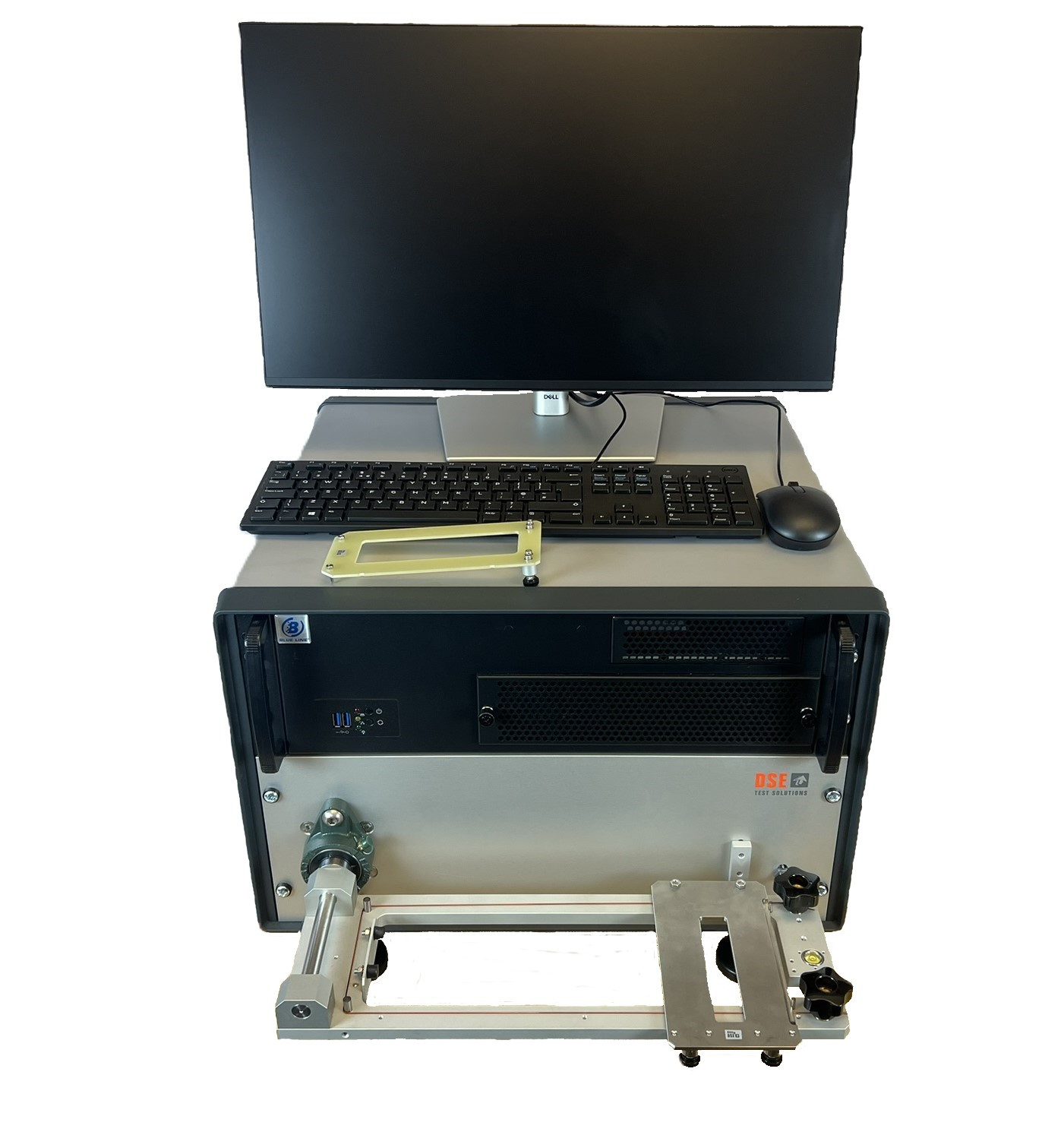
A coefficient of friction tester is a lab instrument used to measure how much resistance there is when one material slides over another. It gives a numeric coefficient of friction (CoF) that describes how “slippery” or “grippy” a material is.
Why CoF matters on magnet wire
For round enamelled (magnet) wire, the coefficient of friction mainly determines how easily the wire can be wound into coils without modifying the dimensional features of the conductor in case of insufficient lubrication (stretched wire). Insufficient lubrication can lead to higher electrical resistance of the coil, while excessive lubrication may cause imperfect deposition during the winding process due to too much lubricant on the insulated wire.
For flat enamelled wire, an appropriate amount of lubricant is necessary, especially in the automotive sector, since the wire is first formed into a hairpin. Due to its shape, this process places considerable stress on both the conductor and the insulating material. The hairpin must then be easily inserted into the slots of the motor stator winding.
Manufacturers often design enamels and overcoats (for example, self‑lubricating topcoats or wax treatments) specifically to reduce CoF and improve “windability.” Technical brochures for magnet wire explicitly quote “low coefficient of friction” as a key feature for high filling factors and less soiling of winding machinery.
What is tested on enamelled wire
Instead of a flat strip, the “sample” is the round or rectangular magnet wire itself, with its enamel system (base coat, top coat, lubricants). Tests typically focus on: wire‑to‑wire friction like turns rubbing against each other in a coil, important for high slot fill and avoiding insulation wear.
Some magnet‑wire developments specifically report static friction coefficients, for example values dropping from about 0.13 (non‑lubricated) down to 0.03–0.05 with self‑lubricated enamels, to show improved winding behavior.
How CoF is measured on magnet wire
The same physical principle applies: CoF is friction force divided by normal force, but the fixtures are adapted to wires. Common approaches include:
- Static tests: The static coefficient of friction μs is determined by measuring the inclining angle α of a plane when a block begins to slip on the track made from the wire specimen. The plane is then slowly inclined
(approximately 1°/1”) until the block slides down the track. At that moment, the angle of inclination α is read from the scale and the static coefficient of friction is calculated. - Dynamic tests: The coefficient of friction is defined as μ=Fr/Fn, where Fr is the friction power and Fn is the load applied to the wire. The test wire is, according to the main international regulation such as IEC and NEMA, moved at a speed of 15m/1’ between a basic plate and pre-loaded sapphires. The sapphires are mechanically connected to a load cell to detect the force of friction. The values detected, at a constant periode, shall be displayed and recorded at desired intervals.
Each method yields a coefficient that can be used comparatively (between enamel systems, lubricants, batches) as an industry‑standard way to quantify “slipperiness”.
How this affects enamel and lubrication choices
Coil designers and wire makers balance several properties at once: abrasion resistance, adhesion of enamel to copper, thermal rating, and CoF. For example, certain polyamideimide or polyester‑imide systems, sometimes with silicone or wax additives, are engineered both for high thermal endurance and low CoF to survive high‑speed winding without insulation cracking or abrasion.
In practice, a target CoF range is chosen: too high and the wire scuffs, sticks, and limits winding speed; too low and layers may shift too easily under vibration or mechanical stress. By measuring CoF on enamelled wire with appropriate fixtures, manufacturers can tune enamel formulations and surface lubricants to hit that desired processing window.
If you are looking for specific detailed information of the test instruments, please check the datasheets or contact our sales department for more information.

RELATED


